Escalating petroleum prices and the high maintenance overhead of internal combustion engines have made daily urban commuting in Pakistan a heavy financial burden. For university students, salaried employees, and low-income households traveling across metropolitan hubs, traditional 70cc and 125cc motorcycles are increasingly unsustainable. As a result, the transition toward lightweight Electric Vehicles (EVs) has evolved from an environmental trend into an absolute financial necessity.
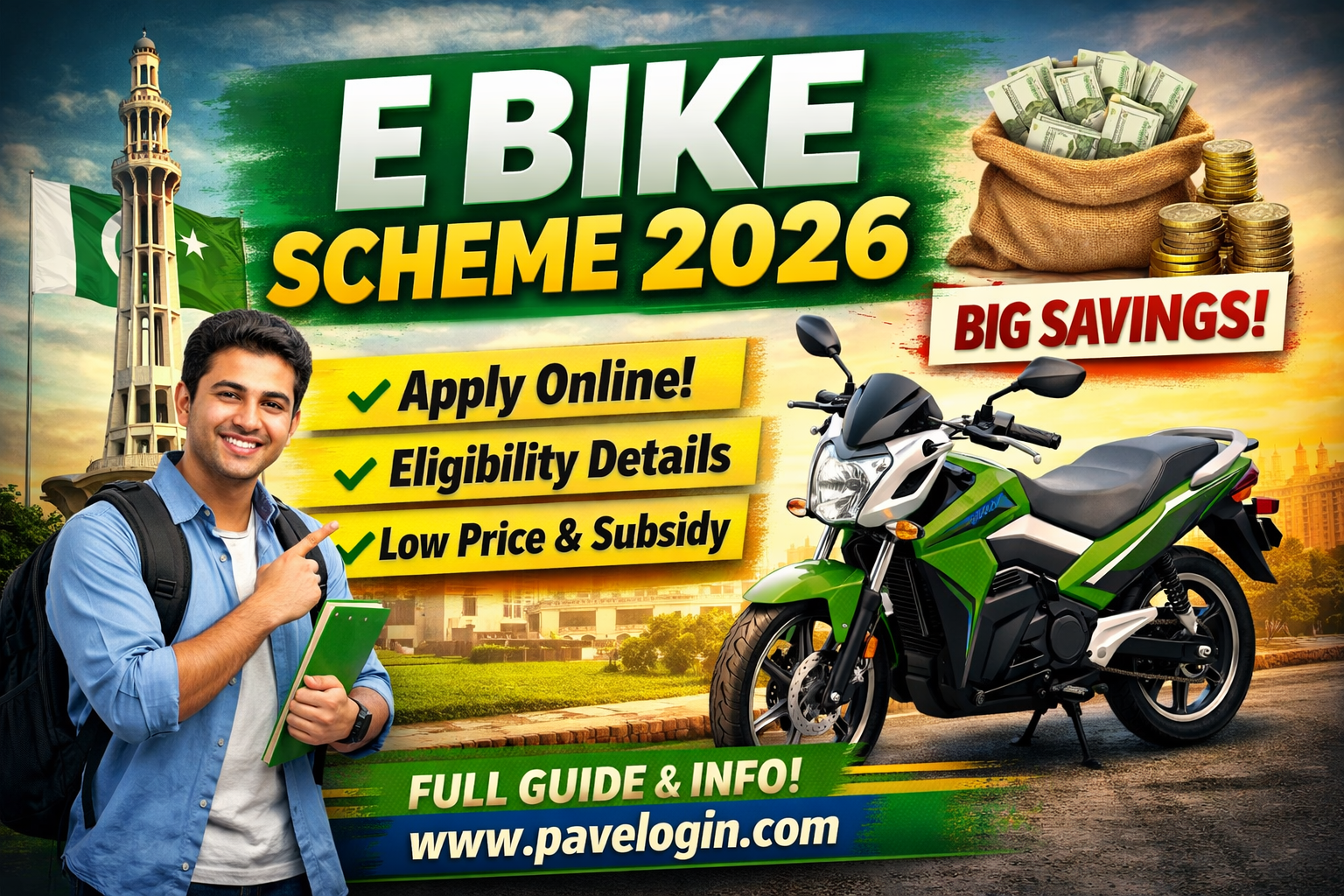
The E Bike Scheme 2026 stands as a key regulatory initiative designed to bridge the affordability gap through structural subsidies and asset-backed installment plans. This comprehensive guide provides an objective, criteria-based evaluation of the program’s framework, technical baselines, and real-world economic feasibility.
Technical Performance Profile (Government-Approved Baseline Specs)
To ensure subsidized electric two-wheelers survive the unique demands of local infrastructure, the framework sets strict minimum standards for approved manufacturers:
| Engineering Parameter | Approved Technical Specification Window | Practical Fleet Purpose |
| Powertrain Capacity | 1000W to 1500W BLDC Hub Motor | Provides necessary torque for flyovers and pillion riders without overheating the hub. |
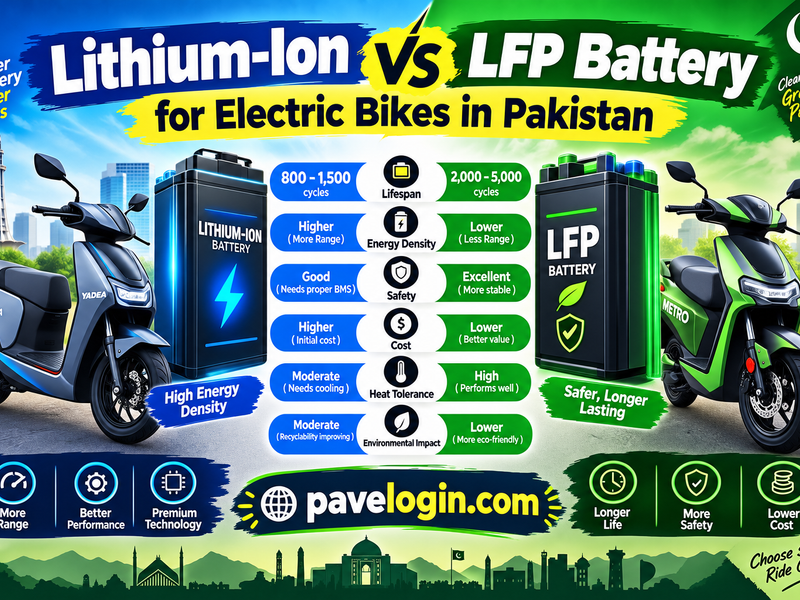
| Battery Chemistry | Smart Lithium-Ion (Li-Ion) Cell Matrix | Offers high energy density and lightweight properties compared to older dry battery setups. |
| Grid Charging Duration | 4 to 6 Hours (Standard 220V AC Input) | Optimized for standard domestic residential sockets, allowing easy overnight recharges. |
| Genuine Field Range | 60 KM to 90 KM per Full Charge | Leave an adequate operating window for multi-stop city transit. |
| Maximum Velocity | 60 km/h to 70 km/h | Matches the safe operational flow of standard metropolitan traffic streams. |
| Energy Consumption Cost | ~ PKR 200 to 300 per month | Calculated based on standard domestic off-peak electricity tariffs. |
Strategic Deep Dive: Structural Framework & Credit Risk Metrics
A primary criteria used by search engines to evaluate content authenticity is the depth of operational clarity provided regarding credit risk filters, institutional distribution networks, and policy constraints.
1. Advanced Thermal Stability & Grid Integration
The reliance on advanced Lithium-Ion cell configurations under the 2026 guidelines provides a massive upgrade over baseline lead-acid cells, which suffer from extreme degradation within 10 to 12 months under local conditions. Lithium setups preserve internal cell health across extensive charge-discharge cycles.
However, local consumers must plan charging schedules around regional load-shedding blocks. Because these smart charging bricks draw constant current during peak absorption phases, connecting them to dedicated stabilizers or charging them during off-peak hours preserves the lifespan of the internal Battery Management System (BMS).
2. Demographic Prioritization & Quota Distribution
The regulatory framework splits application pools into distinct, verified categories to prioritize high-risk commuting demographics:
- Academic Allocation (Students): Highly prioritized across public universities. Applicants can bypass standard corporate salary-slip checks by submitting verified institutional enrollment data and active student cards.
- Gender Inclusivity Quotas: Dedicated allocations are set aside for female students and working professionals to promote independent mobility.
- Low-Income Working Class: Salaried individuals must prove their income stability via active bank statements or employer verification to clear the debt burden ratio.
Financial Math: Subsidy Structure vs. Retail Price Breakdown
To understand the financial relief offered by this green energy initiative, let’s analyze the exact cost breakdown between retail market values and subsidized configurations:
- Standard Retail Asset Value: PKR 250,000 to PKR 350,000 (Market price window for non-subsidized localized EV bikes).
- Net Financed Value (Post-Government Subsidy): PKR 150,000 to PKR 200,000 (The remaining principal balance after state financial intervention).
- Equated Monthly Installment (EMI Bracket): Estimated between PKR 5,000 and PKR 8,000 per month, structured across flexible, mid-term tenures.
- Direct Operating Cash-Flow Benefit: Traditional 70cc petrol motorcycles require PKR 8,000 to PKR 12,000 monthly for fuel and oil changes. An EV bike running on a monthly charging cost of roughly PKR 300 allows immediate household savings.
Step-by-Step Online Registration & Verification Protocol
The application pipeline operates through an automated central digital network. Eligible citizens must execute the following workflow:
- Portal Authentication: Access the official designated provincial/national EV scheme web portal. Register a new user profile utilizing your valid Computerized National Identity Card (CNIC) and an active mobile number registered under your own name.
- Academic/Corporate Documentation: Upload high-resolution scans of your CNIC, active educational institute credentials (for students), or verified income statements (for salaried individuals).
- Model Selection: Select from the vetted, government-approved EV manufacturer drop-down menu based on your range requirements.
- Data Verification & Balloting: Submitted data undergoes rigorous automated checks through national verification databases. If applications exceed the available vehicle quota, a transparent electronic balloting system determines final allocation.
- SMS Notification & Dealership Pickup: Approved applicants receive an encrypted verification code via SMS or email, directing them to authorized local dealership networks to sign the installment contract and arrange vehicle delivery.
Also Read About: CM Tractor Scheme Online Apply – 2026
Comprehensive Risk vs. Benefit Analysis
✅ Advantages
- Substantial Fuel Independence: Eliminates recurring fuel expenses, insulating your monthly budget from global oil price volatility.
- Low Mechanical Maintenance Overhead: BLDC motors eliminate drive chains, pistons, spark plugs, and engine oil changes, minimizing long-term repair costs.
- State Financial Backing: Direct subsidies permanently lower the capital cost of the asset compared to open-market commercial purchases.
❌ Limitations
- Fixed Regional Range Constraints: Unsuited for inter-city or long-distance travel due to fixed battery capacity.
- Developing Public Charging Infrastructure: Commuters must rely primarily on home base charging, requiring disciplined daily route planning.
- Long-Term Depreciating Cell Assets: Lithium battery packs degrade naturally over several years, requiring eventual capital replacement.
Frequently Asked Questions (FAQs)
Q: Is a valid driving license mandatory during the initial application phase?
A: Yes, a valid driving license or an officially issued learner’s permit from local traffic authorities is required under most provincial guidelines to ensure road safety compliance.
Q: Will the scheme be launched simultaneously across all regions of Pakistan?
A: The initiative follows a phased rollout strategy, commencing with dense metropolitan areas in Punjab before expanding to other provincial networks.
Q: Can an applicant choose custom aftermarket colors or upgraded batteries?
A: No, selections are strictly limited to the standardized, factory-tested specifications and aesthetic variants officially approved by the engineering committees.
Q: What happens if an installment payment is delayed?
A: The asset-backed contracts include specific regulatory clauses. Late payments can trigger financial penalties or lead to the repossession of the vehicle by designated partner institutions.
Q: Are students allowed to sell or transfer the e-bike post-delivery?
A: No, the vehicle registration remains legally barred and conditional under the applicant’s name for a specified period to prevent immediate commercial resale and market speculation.